
Food Printer for Cakes – The Secret Behind Eye-Catching Cakes
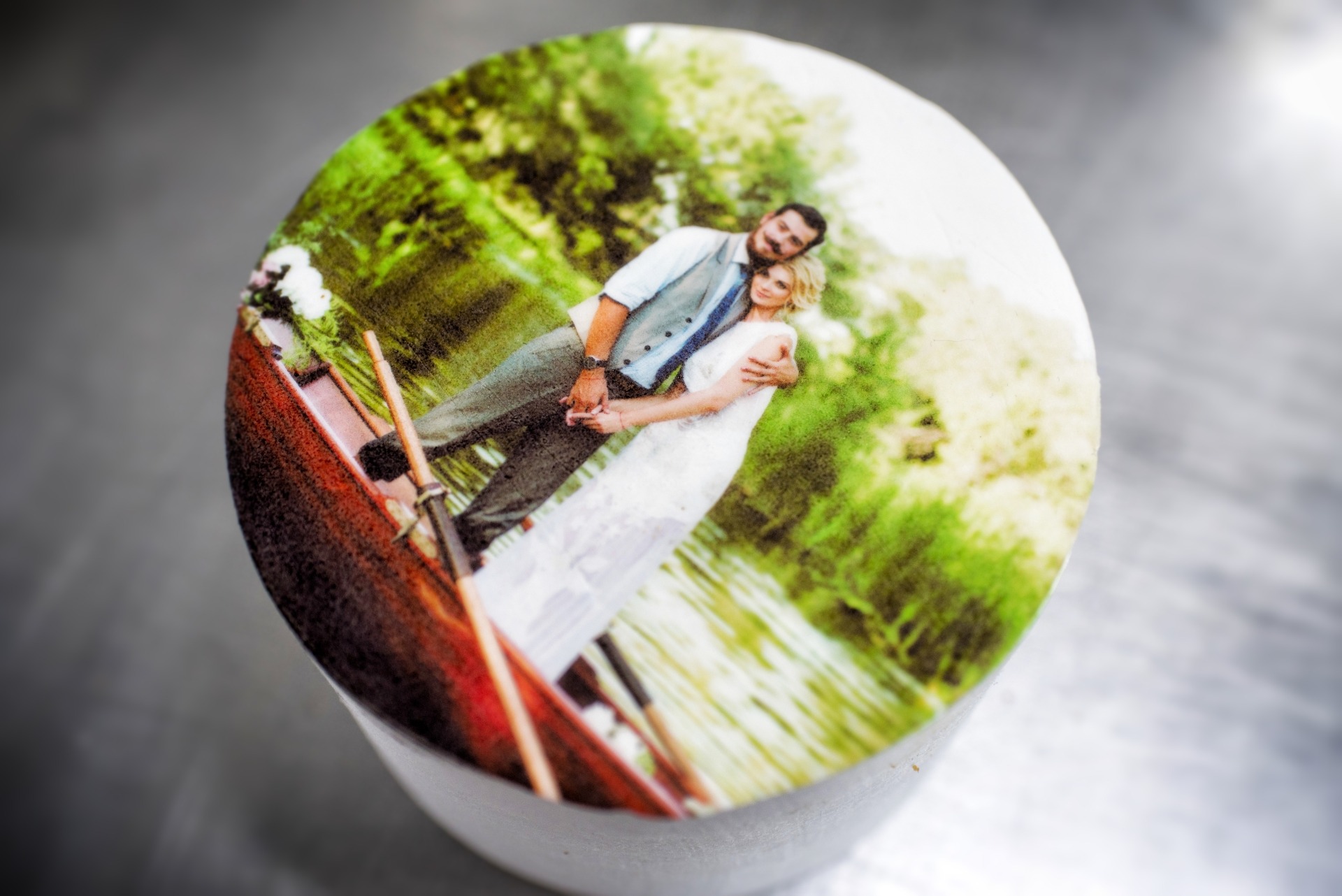
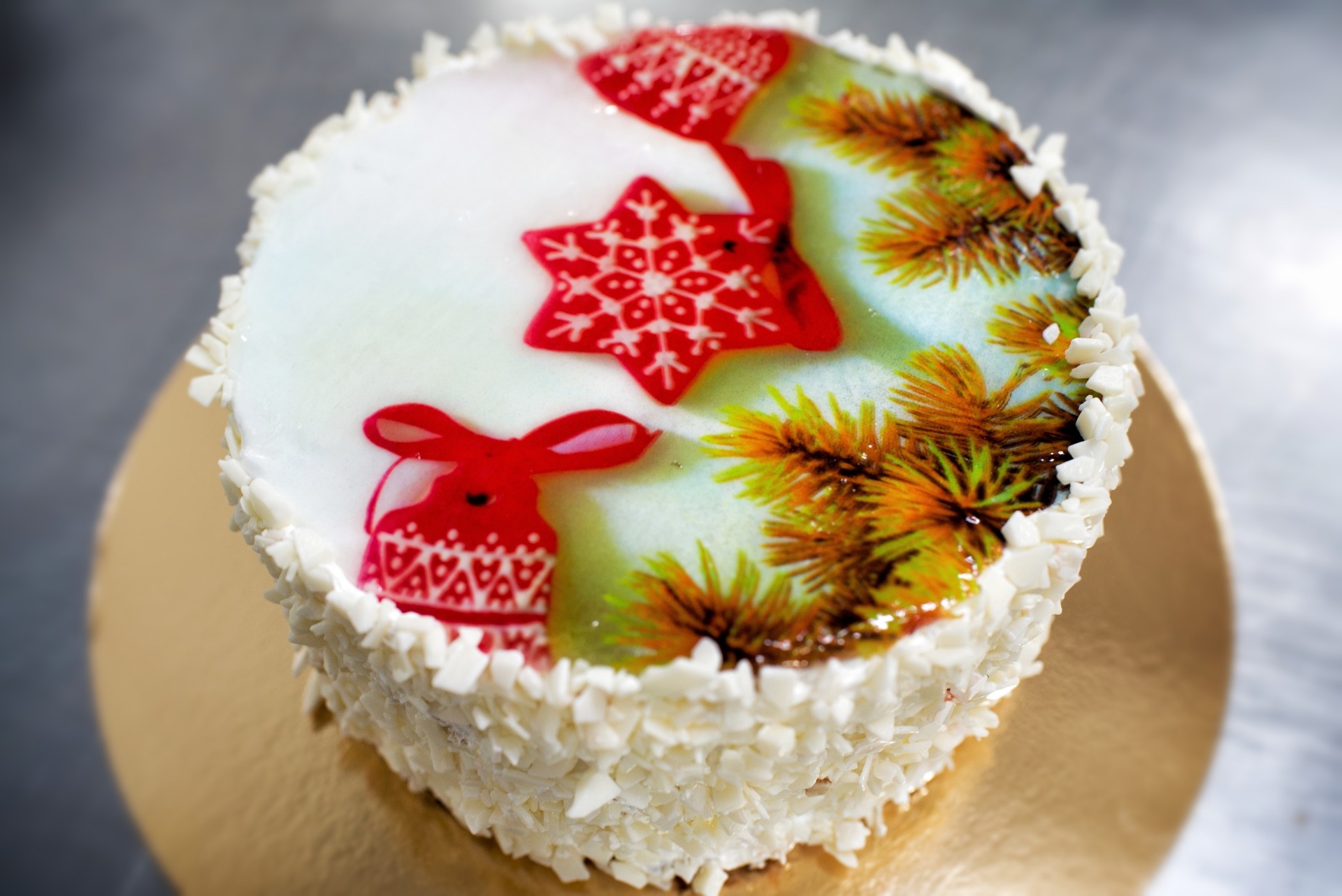
A food printer for cakes has revolutionized the confectionery market because it allows bakers to create stunning, customized designs on cakes and cookies. It captures attention and impresses customers. First, it enables any graphic to be printed directly onto baked goods. This makes each product unique and tailored to events or client preferences. Second, it uses safe, edible inks, so the prints are both impressive and completely safe to eat. This is crucial in the food industry. What’s more, the food printer for cakes speeds up the decoration process because it can quickly produce complex designs without manual work. That translates into higher efficiency and production scale. Finally, modern models allow extensive customization, enabling both small bakeries and large companies to stand out by offering customers unique, personalized baked goods.
Cookie Printer – The Key to Visually Stunning Sweets
A cookie printer allows for quick application of colourful designs and accurate detail reproduction, which is essential in cookie decoration. In other words, it lets confectioners create sweets that surprise with aesthetics and originality. This drives consumer interest and positive feedback. First, it enables printing of photos, text, or company logos, making cookies a promotional tool or a personalized gift. Second, the cookie printer helps create themed collections for holidays or seasonal events. This keeps the offer fresh all year. Easy to use and automated, it saves prep time—vital for large orders. Still, staff must be properly trained to fully benefit from its features and ensure high-quality prints.
How the Edible Ink Printer Is Transforming Confectionery
The edible ink printer is an innovative tool that expands artistic possibilities in baking. It prints precise, colourful images directly onto cakes, cookies, and pastries. This means creativity is no longer limited by hand painting or basic decorations. It opens new doors for unique product creation. Additionally, it ensures consistent patterns, which is vital for mass production. It also enables large-scale personalization. The printer works with various edible surfaces such as fondant, icing, chocolate, or wafers, increasing its versatility. Modern tech and certified food-grade materials ensure the prints are durable and safe. This matters for consumer health. In short, this technology enhances competitiveness for bakeries aiming to offer visually appealing and unique sweets.
Cake Printer – Personalization and Precision
A cake printer allows bakers to bring even the most complex designs to life. It gives cakes a personalized character and market appeal. Moreover, it streamlines workflow by reducing the need for manual decorating. It also minimizes mistakes. These devices can print everything from simple shapes to text and complex images. This enables full customer customization. The cake printer supports many edible media types, making it very flexible. However, to get the best results, it’s important to use high-quality edible inks and prepare the surface properly. Because this guarantees print durability and visual effect. That’s why this tech investment improves not just visuals, but also productivity and profit margins.
Practical Tips for Choosing a Food Printer for Cakes
Choosing the right food printer involves evaluating key factors that influence efficiency and quality. First, check compatibility with different edible media like fondant, icing, or chocolate. That increases usage range. Second, print resolution matters. Higher resolution means better detail—crucial in decorating. Also, ease of use matters for productivity. The printer should be intuitive to operate, speeding up workflows. It should also use certified, food-safe inks that comply with food industry regulations. Finally, choose a model backed by strong technical support and servicing. That reduces downtime and technical issues.
Why Modern Tech Matters in Confectionery
Modern solutions like the food printer for cakes reshape the confectionery world. They allow creation of products that are both delicious and visually appealing. These technologies boost work efficiency, cut costs, and open new marketing possibilities. They also help bakeries meet changing customer demands and follow trends faster. Still, implementing such tools requires staff training and skill development. If done well, bakeries can stand out and build customer loyalty through unique, beautiful products.
Find more inspiration and tips on our confectionery blog, where we share updates from the baking world.
Don’t forget to visit our YouTube channel for tutorials and ideas on dessert decoration.