
Breadcrumb Grinders – A Smart Solution for Unsold Bread
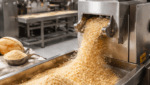
Breadcrumb grinders offer an effective solution for managing bread returns in bakeries, as they enable the reprocessing of unsold products. Additionally, these machines help reduce economic losses while significantly cutting food waste. What’s more, with the right equipment, bakeries can recover valuable raw materials in the form of breadcrumbs—a product that can be reintroduced into the market. This process also aligns with sustainability goals and meets the growing expectations of customers and business partners, who increasingly focus on eco-conscious production and resource optimization.
Why Invest in Breadcrumb Grinders?
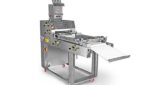
Modern breadcrumb grinders not only improve recovery efficiency but also enhance process safety by eliminating the need for manual grinding. Furthermore, they allow for consistent particle size and uniform product quality. By using these devices, bakeries can better plan production and manage surpluses more effectively, which positively impacts their bottom line. Additionally, these machines are easy to operate and clean, making them ideal for daily use in bakery environments.
What to Do with Returned Bread? Practical Uses and Legal Compliance
Returned bread doesn’t have to go to waste. In fact, legal and efficient ways to repurpose it are already used by many bakeries across Europe. For this reason, an increasing number of facilities use breadcrumb grinders to turn unsold bread into a valuable product while minimizing waste generated during the baking process.
Breadcrumbs from Returns as a Marketable Product
Breadcrumb grinders make it possible to produce high-quality breadcrumbs from returned bread. This enables bakeries to reintroduce recovered material into the value chain—provided the final product meets all sanitary standards. Moreover, these breadcrumbs can be used not only in bakeries but also in the meat industry and food service.
Reuse in Bakery Production
On the other hand, ground bread can be added to bread dough or used in certain product recipes, as long as it doesn’t affect quality. Although this approach requires precise technological processes, many bakeries adopt it because it helps reduce raw material costs and minimizes food waste at the same time.
Animal Feed – When Bread Can’t Be Consumed
Bread that doesn’t meet food-grade standards may still be used as animal feed, in full compliance with regulations. Since it retains nutritional value, it can be legally handed over to licensed feed recipients. For that reason, it’s worth maintaining contacts with local farms or feed partners who are interested in regular supply.
Breadcrumb Grinders in Action – A Profitable Investment
Purchasing a breadcrumb grinder is a strategic investment that boosts bakery machines efficiency. It streamlines the recycling process of returns and helps manage surplus production more effectively. Moreover, modern machines are compact and energy-efficient, which makes them ideal even for small production spaces.
Economic and Environmental Benefits
Using a breadcrumb grinder leads directly to cost savings. It reduces the volume of bread that requires disposal and opens new revenue streams—such as selling breadcrumbs. Additionally, waste reduction has a positive environmental impact and may even help bakeries qualify for eco-certifications.
Breadcrumb Grinders – Recovering Value from Bread Returns
Breadcrumb grinders are not just practical tools—they are vital components of a sustainable and profitable bakery operation. They support better efficiency, reduce waste, and contribute to overall business success. In short, every unsold loaf can gain a second life when processed properly and responsibly.
Read more on our bakery equipment blog for useful tips and expert advice. Also, visit our YouTube channel to see our machines for bakeries in action.