
Bread baking techniques from different cultures
In many places, bread baking techniques develop differently because of local traditions and resources. These traditions shape unique processes and adjust them to what is locally available. Moreover, they affect flavour, texture, shape, and even thickness of the final bread. Therefore, learning about them helps us understand regional food heritage.
The traditional tandoor oven and its role
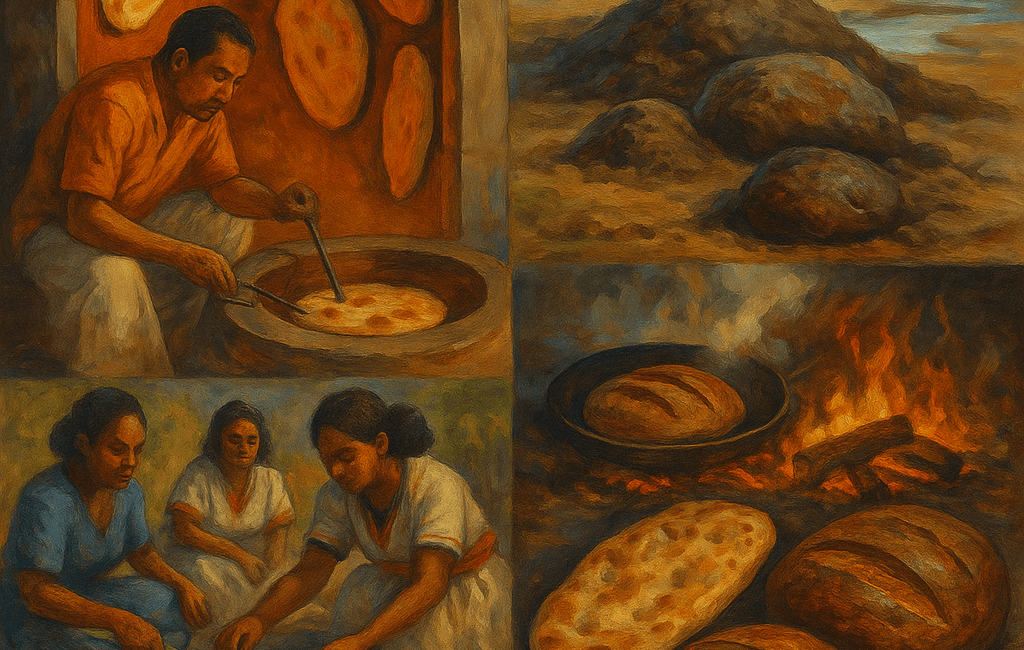
The tandoor oven is used across South Asia, the Middle East, and the Caucasus. Its construction allows very high temperatures. As a result, the bread becomes crispy outside and soft inside. This is why naan and lavash are so popular in those areas. The tandoor has shaped the flavour of these cultures. It is also a central part of traditional bread mixing techniques.
Bread baking techniques in extreme conditions
Some bread baking techniques rely on unusual methods like fire pits, hot stones, or natural heat. For example, in Ethiopia, bakers use hot stones and banana leaves for insulation. Meanwhile, in Iceland, people bury bread dough in hot geothermal sand. Each of these methods requires skill, care, and deep local knowledge. In addition, they highlight the importance of traditional dough mixing techniques in extreme settings.
Baking in the ground and its meaning
Earth-baked bread appears in many cultures and often relates to rituals and holidays. Its taste is connected not only to tradition but also to memory and spirituality. Similar to tandoor bread, this method has symbolic and practical value. It reflects regional identity and community history.
Geothermal heat as a natural oven
Icelanders bake bread using geothermal springs by burying containers of dough underground. This long, natural process gives the bread a dense, moist texture and caramel-like flavour. Also, it requires no firewood or gas, which makes it sustainable. This method fits well with growing interest in extreme bread baking.
Extreme bread baking techniques and culinary heritage
Every extreme baking technique reveals a deeper story. It shows how people adapt to nature. Climate shapes ovens, ingredients, baking time, and serving culture. It also adds symbolic value to bread in many regions. That’s why traditional baking carry cultural and emotional significance.
Inspiration for modern bakers
Extreme bread baking techniques can inspire modern bakers to rethink their process. They offer creative ways to adapt to local conditions and revive traditional flavors. They also promote authenticity and encourage handcraft revival. Artisanal baking gains depth through these roots. The baking community also benefits from these traditions. Whether using a tandoor or baking underground, such bread earns respect and attention.