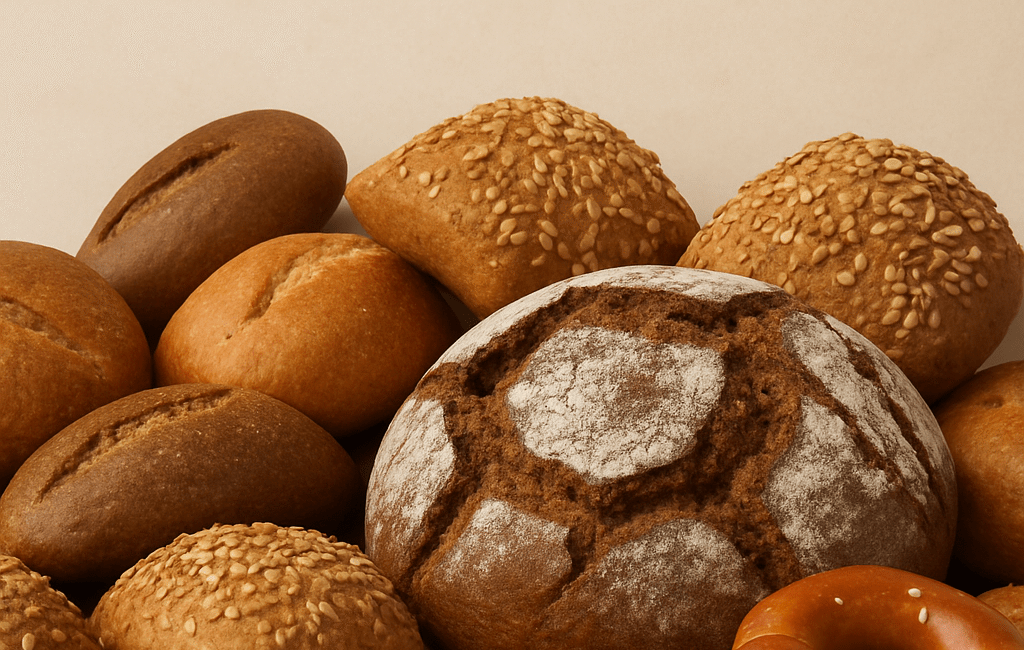
Breads of the World – Gold, Luxury, and Flavor
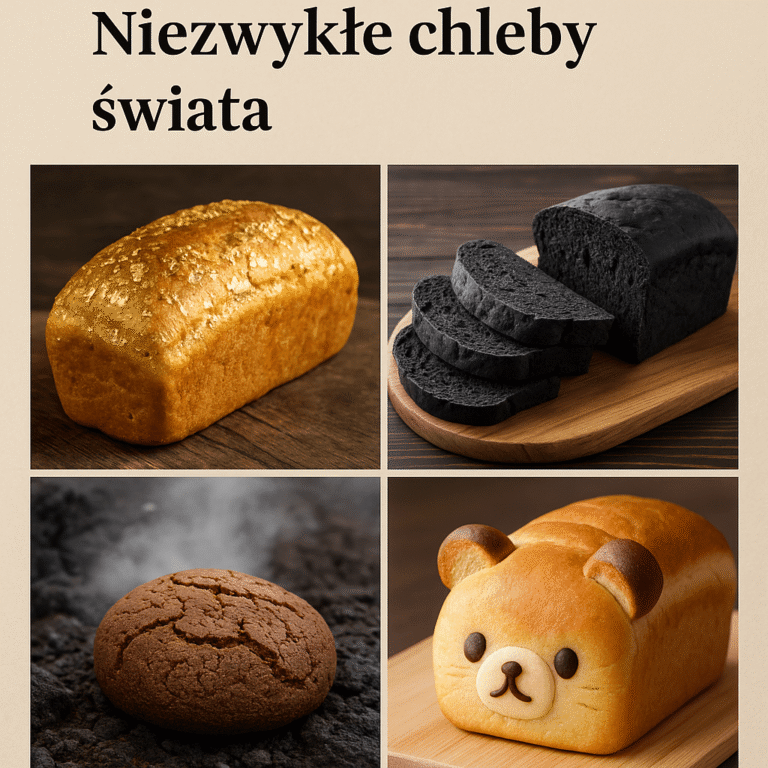
The most expensive bread in the world comes from Spain. It includes edible gold as flakes or powder. Moreover, one loaf can cost hundreds of dollars, so it is sold only in luxury bakeries. This makes it a symbol of status rather than nutrition. Gold has no health value, but many clients buy it for prestige. Therefore, it gained media attention and entered elite restaurants. In short, this bread became part of the luxury food market. It reflects how breads of the world can also express wealth and exclusivity.
Activated Charcoal in Bread – Trend or Myth?
Some breads include activated charcoal because it is said to help detox. Additionally, charcoal bread has a deep black colour, which attracts consumers. On the other hand, strong scientific proof is missing, though the belief is common. Still, black bread often appears on social media. In the same way, charcoal is used in ice cream or lemonade. This shows how modern health trends shape breads of the world. Although controversial, charcoal-based bread remains a fashion statement.
Breads of the World – Baked by the Earth
In Iceland, locals bake bread using geothermal energy. The dough is placed in a metal container and buried near hot steam vents. Then it is covered with soil and left for about 24 hours. As a result, the bread develops a rich, moist texture. Moreover, the method uses no electricity, so it is eco-friendly. It is also deeply traditional and passed down through generations. The final product, called “rúgbrauð”, is sweet and dense. It may take time to make, but the taste rewards the effort. This example shows how breads of the world reflect nature and culture.
Japanese Artistic Bread – Form Meets Taste
In Japan, bakers create bread shaped like cartoon characters. First, they design moulds and colour the dough with natural pigments. After baking, the bread looks like animals or famous faces. Children love it, but adults also admire the craft. In Japanese culture, food must be beautiful and balanced. That is why this type of bread gained fans abroad. Although it’s not a traditional form, it became part of modern culinary identity. Moreover, it combines visual design with good taste. This artistic side of breads of the world spreads fast on platforms like YouTube.
Summary – A Closer Look at Breads of the World
Bread is more than food. It reflects lifestyle, heritage, and environment. In many countries, it is baked differently due to local resources. Some use gold or charcoal, while others rely on heat from the earth. Also, forms and shapes vary across regions. This proves that breads of the world are shaped by culture, belief, and climate. Still, one thing stays the same. Bread feeds people and connects them. It tells a story of daily life, values, and shared tradition. To enjoy it fully, slice it properly using our bread slicers.